

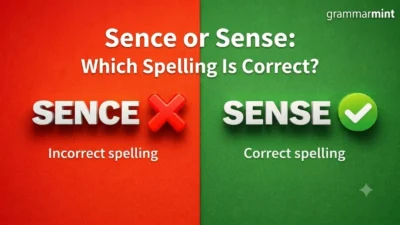
Sence or Sense: Which Spelling Is Correct?
Sense is the correct word in modern standard English. Sence is a misspelling. Use sense when you mean meaning, good judgment, awareness, a…
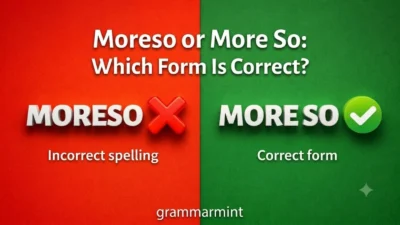
Moreso or More So: Which Form Is Correct?
Moreso or more so is a common writing question because both forms appear online. The safer and more accepted choice in standard US English is…
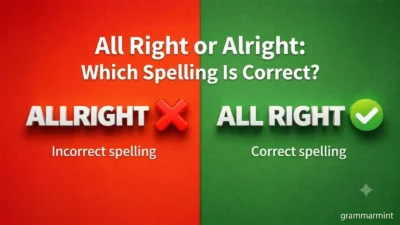
All Right or Alright: Which Spelling Is Correct?
If you’ve ever paused while typing all right or alright, you’re in good company. These two forms show up in emails, texts, essays, dialogue,…
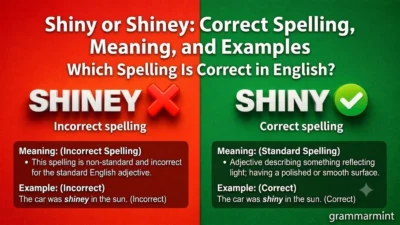
Shiny or Shiney: Correct Spelling, Meaning, and Examples
Anyone checking shiney or shiny wants a fast, clear answer they can trust. The correct word is “shiny,” an adjective used for something…
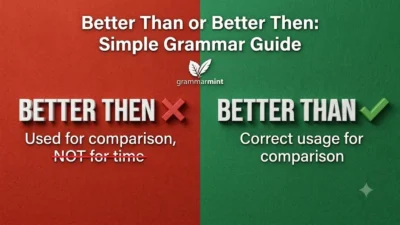
Better Than or Better Then: Simple Grammar Guide
If you’re checking a text, caption, email, essay, or work message, this guide will help you choose with confidence. The phrase better then or…
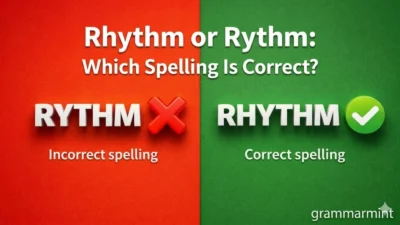
Rhythm or Rythm: Which Spelling Is Correct?
The correct spelling is rhythm. Rythm is not the standard spelling in American English. It is a common misspelling of rhythm, usually caused…
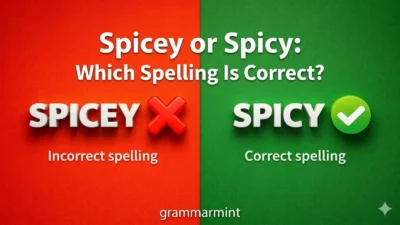
Spicey or Spicy: Which Spelling Is Correct?
Many writers, students, chefs, and food lovers face the common question: Spicey or Spicy? Both spellings may be recognizable, but Spicy is the…
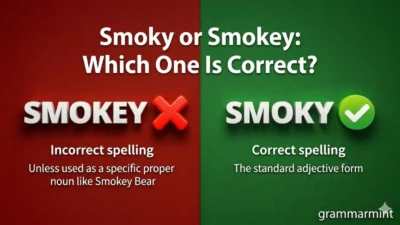
Smoky or Smokey: Which One Is Correct?
Smoky is the standard choice when you mean filled with smoke, smelling like smoke, tasting like smoke, or looking like smoke. Smokey is…
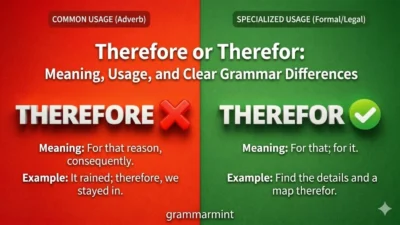
Therefore or Therefor: Meaning, Usage, and Clear Grammar Differences
“Therefore” and “therefor” are two words that look almost identical but behave very differently in English. Most people assume the extra “e”…
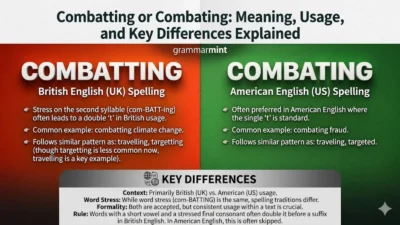
Combatting or Combating: Meaning, Usage, and Key Differences Explained
At first glance, combatting and combating look like two equally valid spellings of the same word. In many ways, they are. Both come from the…