

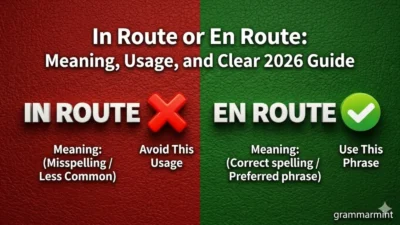
In Route or En Route: Meaning, Usage, and Clear 2026 Guide
You’ll see both “in route” and “en route” in everyday writing and conversation. They sound similar, and both seem to describe someone…
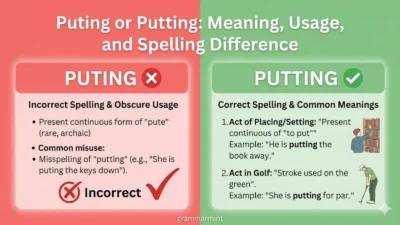
Puting or Putting: Meaning, Usage, and Spelling Difference
The confusion between “puting” and “putting” is very common for English learners and even native speakers in casual writing. At first glance,…
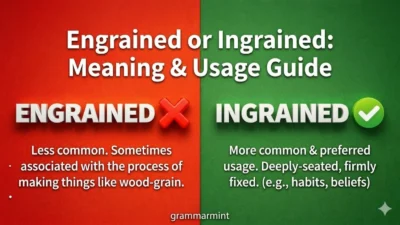
Engrained or Ingrained: Meaning & Usage Guide
“Engrained” and “ingrained” look like two different words, but they point to the same idea. Both describe something that is deeply fixed in a…
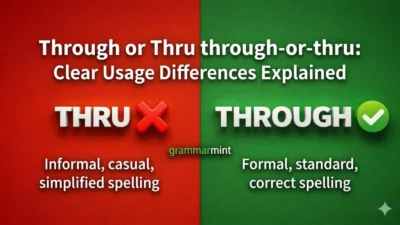
Through or Thru: Clear Usage Differences Explained
“Through” and “thru” cause confusion because they look like two different words, but they represent the same idea in English. The difference…
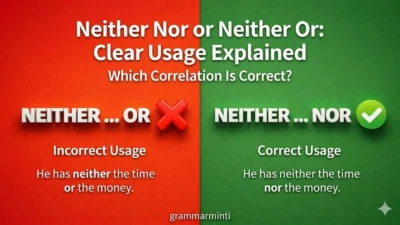
Neither Nor or Neither Or: Clear Usage Explained
English has many small grammar pairs that look simple but confuse a lot of people in real writing and speaking. One of the most common is…
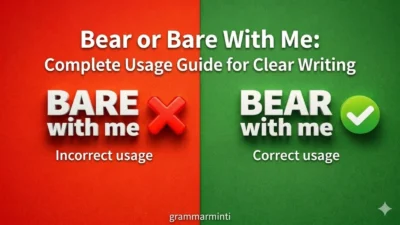
Bear or Bare With Me: Complete Usage Guide for Clear Writing
Few English mistakes show up as often in everyday writing as the confusion between “bear with me” and “bare with me.” You’ll see it in emails,…
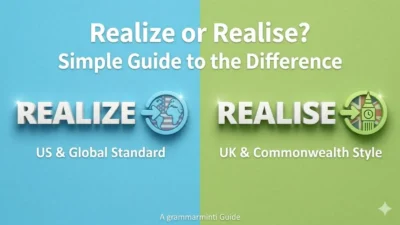
Realize or Realise? Simple Guide to the Difference
If you write in English, you’ve probably seen both realize and realise and wondered which one is correct. They look almost identical, and they…
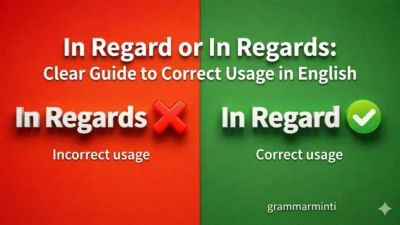
In Regard or In Regards: Clear Guide to Correct Usage in English
“In regard” and “in regards” look almost identical, so it’s no surprise people mix them up in everyday writing. Both appear in emails,…
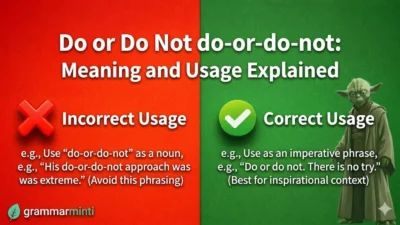
Do or Do Not do-or-do-not: Meaning and Usage Explained
The difference between Do or Do Not do-or-do-not looks small, but it changes the meaning of a sentence in a big way. Both forms come from the…
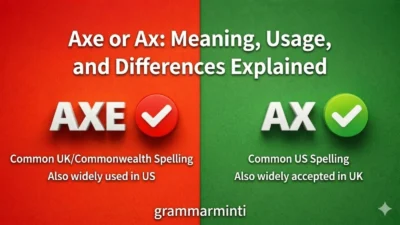
Axe or Ax : Meaning, Usage, and Real Differences Explained
“Axe” and “ax” are two spellings of the same word in American English. Most people think they might mean different things, but in everyday…