
“Relieving” and “reliving” look almost identical. One small letter changes everything. That tiny spelling shift can flip your meaning in a big way.
You’ll see these words in blogs, news stories, therapy articles, and everyday texts.
People talk about relieving stress or reliving childhood memories. Because the words sound similar, they often get mixed up.
The confusion matters. Using the wrong word can make your sentence unclear or even awkward.
: Labour vs Labour: Difference, Meaning, And Correct Usage
Quick Answer
“Relieving” means easing pain, stress, or discomfort. “Reliving” means experiencing something again in your mind.
Both words are correct. They simply mean very different things. If you’re talking about reducing pressure, use “relieving.” If you’re talking about remembering and re-experiencing, use “reliving.”
Key Differences at a Glance
Feature | Relieving | Reliving
Meaning | Easing or reducing discomfort | Experiencing again in memory
Focus | Present relief | Past experience
Common Pairings | stress, pain, pressure | memories, moments, trauma
Tone | Practical, calming | Emotional, reflective
Origin and Why Two Forms Exist
Both words share the base word “live” inside them, but they come from different roots.
“Relieve” comes from an older word meaning to lift or lighten a burden. Over time, it came to mean easing pain or stress. “Relieving” is simply its present participle form.
“Relive” combines “re-” meaning again with “live.” It literally means to live again. “Reliving” means mentally going back and experiencing something from the past.
They are not spelling variants of each other. They are separate verbs with separate meanings.
British vs American English
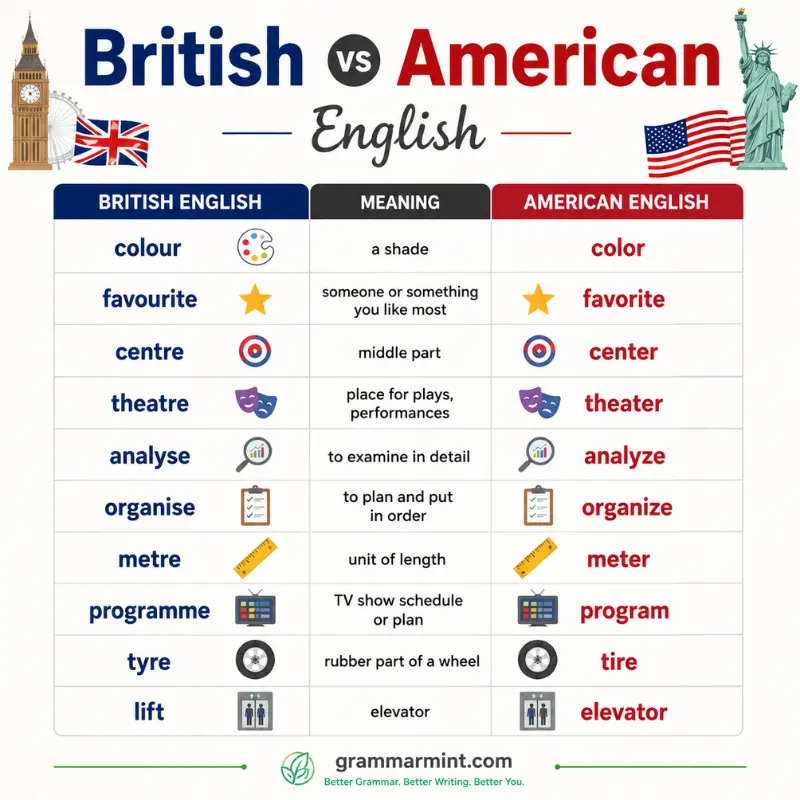
There is no US vs UK spelling difference here.
Both “relieving” and “reliving” are spelled the same way in American and British English. The confusion is not regional. It is purely about meaning.
Which One Should You Use?
Think about what you want to express.
• Use “relieving” when talking about easing stress, pain, or pressure.
• Use “reliving” when talking about memories or past events.
In casual writing, both are common and natural. For example, “Relieving stress after finals felt amazing.” Or, “I spent the weekend reliving high school memories.”
In emotional or therapy contexts, be precise. “Reliving trauma” is very different from “relieving trauma symptoms.” One refers to revisiting painful memories. The other refers to easing distress.
In professional or academic writing, clarity matters. If your sentence feels confusing, rewrite it. Instead of “reliving stress,” you likely mean “experiencing stress again.” Instead of “relieving the past,” you probably mean “letting go of the past.”
Common Mistakes (and Quick Fixes)
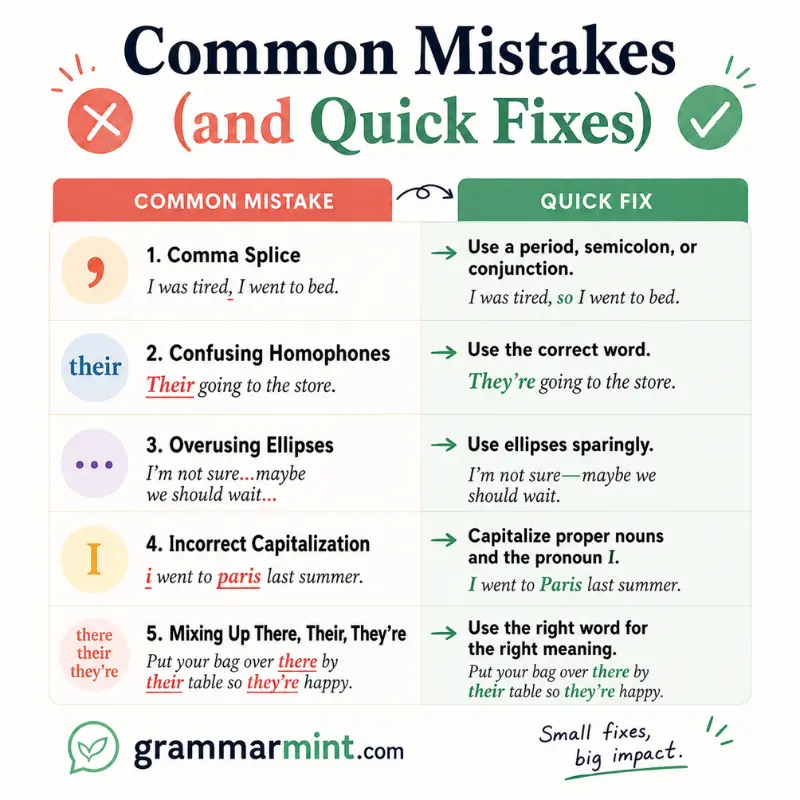
• Mistake: I was relieving my childhood memories.
– Fix: I was reliving my childhood memories.
• Mistake: This massage is reliving my back pain.
– Fix: This massage is relieving my back pain.
• Mistake: She keeps relieving that embarrassing moment.
– Fix: She keeps reliving that embarrassing moment.
• Mistake: Deep breathing is reliving anxiety.
– Fix: Deep breathing is relieving anxiety.
• Mistake: He is relieving the game-winning shot in his mind.
– Fix: He is reliving the game-winning shot in his mind.
• Mistake: Talking to her helped me relive my stress.
– Fix: Talking to her helped relieve my stress.
Everyday Examples (Real Contexts)
Informal text:
“Finally done with exams. So relieving.”
Social media post:
“Spent the night reliving our Vegas trip through old photos.”
Parenting context:
“My son keeps reliving his birthday party and telling everyone about it.”
Workplace email:
“Thank you for helping with the deadline. Your support was relieving.”
More professional rewrite:
“Thank you for your support during the deadline. It significantly reduced the team’s stress.”
Notice how word choice shapes tone. Casual writing allows simple forms. Professional writing often benefits from more specific phrasing.
Usage/Trends (Qualitative)
Both words are widely used in American English.
“Relieving” appears often in health, wellness, and advice content. It commonly pairs with stress, pain, and pressure.
“Reliving” appears frequently in emotional or reflective writing. It is common in discussions about memories, nostalgia, and trauma.
Search trend comparisons show steady use of both terms. The key difference is context, not popularity.
Comparison Table
Context | Best Choice | Why
Talking about easing stress | Relieving | Means reducing pressure
Describing painful memories | Reliving | Means experiencing again
Wellness article headline | Relieving | Focuses on improvement
Personal blog about childhood | Reliving | Focuses on past events
Therapy discussion of flashbacks | Reliving | Refers to mental replay
Massage or medication effect | Relieving | Refers to easing pain
FAQs
What is the difference between relieving and reliving?
“Relieving” means easing discomfort. “Reliving” means mentally experiencing something again. The difference is about reducing pain versus revisiting the past.
Is it reliving the moment or relieving the moment?
It is “reliving the moment.” You relive memories or moments. You relieve stress or pain.
What does relieving mean?
“Relieving” means reducing or easing something unpleasant. It is often used with stress, pain, or pressure.
What does reliving mean?
“Reliving” means experiencing something again in your mind. It usually refers to memories or emotional events.
Can you say reliving stress?
You can, but it changes the meaning. “Reliving stress” means experiencing stress again. If you mean reducing stress, use “relieving stress.”
How do you use relieve in a sentence?
Example: “The new policy is relieving pressure on staff.” It shows stress or burden is being reduced.
Mini Quiz
- The medication is ______ my headache.
- He keeps ______ his championship win.
- Yoga helps with ______ tension.
- She is ______ her college days through old journals.
Answer Key:
- relieving
- reliving
- relieving
- reliving
Conclusion
Relieving or Reliving comes down to one letter and a big meaning shift.
Use “relieving” for easing stress or pain. Use “reliving” for revisiting the past.
When in doubt, ask yourself: Am I reducing something, or replaying it? That simple check will keep your writing clear and confident.