

Elude and allude look almost the same. They sound similar, too. That’s why many writers mix them up.
You’ll see this confusion in school essays, blog posts, emails, and even news articles.
It’s a common mistake in American English. But using the wrong one can change your meaning completely.
One word means to escape. The other means to hint. That’s a big difference.
This guide explains what each word means, how to use them correctly, and how to avoid common errors.
Quick Answer
Allude means to hint at something indirectly.
Elude means to escape or avoid something.
They are not interchangeable. If you mean “refer indirectly,” use allude. If you mean “escape or avoid,” use elude.
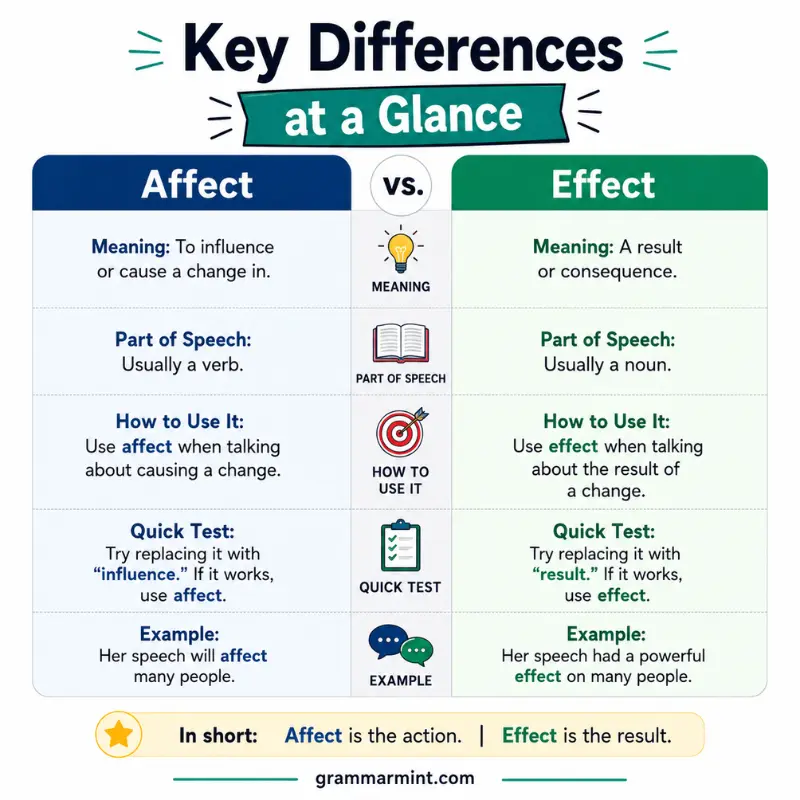
Key Differences at a Glance
• Allude = to hint or refer indirectly
• Elude = to escape or evade
• Allude usually follows “to”
• Elude does not need “to”
• Allude is about communication
• Elude is about avoidance or escape
Origin and Why Two Forms Exist
Both words come from Latin roots related to play or movement. Over time, their meanings developed in different directions.
Allude is connected to the idea of referencing something lightly. It’s related to the noun “allusion.”
Elude developed with the sense of escaping or slipping away. That can be physical or abstract.
They look alike because of shared Latin structure. But their meanings separated centuries ago.
British vs American English
There is no US vs UK spelling difference here. Both countries use allude and elude the same way.
If someone says one is British and the other American, that’s incorrect. The confusion is about meaning, not region.
If elude vs allude confused you, check out this quick guide to another tricky pair: Complement vs Compliment Guide — simple, clear differences with easy examples.
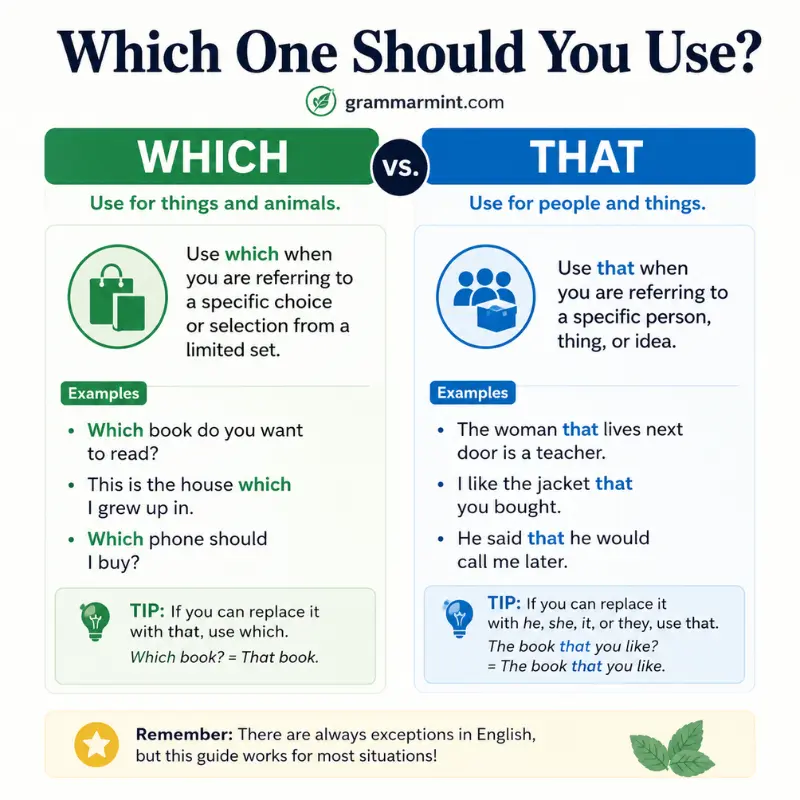
Which One Should You Use?
Use allude when you are hinting at something without saying it directly.
Example:
“She alluded to a problem but didn’t explain it.”
Use elude when something escapes you or avoids capture.
Example:
“The suspect eluded police.”
“The answer eluded me.”
In professional writing, both are acceptable. Just be sure the meaning fits. If you want to be extra clear, you can use:
• “refer to” instead of allude
• “escape” or “avoid” instead of elude
Clarity matters more than sounding fancy.
If you often mix up similar confusing word pairs like elude vs allude, you may also struggle with another common grammar mistake in everyday writing—understanding effects vs affects correctly in sentences, especially in academic and professional contexts.
Common Mistakes (and Quick Fixes)
• Mistake: “He eluded to the issue.”
– Fix: “He alluded to the issue.”
• Mistake: “The thief alluded the police.”
– Fix: “The thief eluded the police.”
• Mistake: “She alluded the topic.”
– Fix: “She alluded to the topic.”
• Mistake: Using elude for casual hints.
– Fix: Use allude for indirect references.
• Mistake: Thinking both mean “avoid.”
– Fix: Only elude means escape or avoid.
• Mistake: Forgetting “to” after allude.
– Fix: Always write “allude to.”
Everyday Examples (Real Contexts)
Informal Text
“I think he was alluding to that awkward meeting.”
Social Media
“The movie clearly alludes to classic horror films.”
Parenting Context
“She alluded to being upset but wouldn’t say why.”
Workplace Email
“The report alludes to budget concerns.”
More Professional Rewrite
“The report refers to potential budget concerns.”
Workplace Escape Example
“The deadline keeps eluding us.”
Abstract Example
“The perfect solution eluded the team.”
Usage/Trends (Qualitative)
Grammar references consistently treat this as a commonly confused pair. Many writing guides highlight it as a frequent error.
Examples in news writing show elude often used for law enforcement or abstract ideas. Allude appears more in literary or conversational contexts.
The confusion continues today, especially in fast digital writing.
When exploring commonly confused English words, small spelling changes can fully change meaning—like elude vs allude. Another common mix-up is imminent or eminent, where one means something about to happen and the other means someone highly respected.
Comparison Table
| Context | Best Choice | Why |
| Hinting indirectly | Allude | Means to refer indirectly |
| Escaping capture | Elude | Means to evade or avoid |
| Idea slipping away | Elude | Used for abstract escape |
| Literary reference | Allude | Refers indirectly to a source |
| Avoiding a question | Elude | Means to dodge or avoid |
| Professional writing | Either (correctly used) | Depends on meaning |
FAQs
What is the difference between allude and elude?
Allude means to hint or refer indirectly. Elude means to escape or avoid. They have different meanings and cannot replace each other.
Does allude always require “to”?
Yes. Standard usage is “allude to.” Writing “allude something” is incorrect.
Can elude be used for abstract ideas?
Yes. An idea, answer, or solution can elude someone. It means it escapes understanding.
Are allude and elude homophones?
They sound similar but are not perfect homophones. Their pronunciation differs slightly.
Is this a common English mistake?
Yes. Many learners and even native speakers mix them up because of spelling similarity.
Mini Quiz
- She _______ to the issue without naming it.
- The suspect _______ arrest for weeks.
- The answer continues to _______ me.
- He _______ to a past mistake in his speech.
Answer Key:
- alluded
- eluded
- elude
- alluded
Conclusion
Elude or Allude may look alike, but they mean very different things. One hints. The other escapes.
Choose based on meaning and audience. When in doubt, simplify your wording.
Clear writing builds trust.