


Lessor or Lessee: What’s the Difference in a Lease?
If you’ve ever read a lease agreement, you’ve probably seen the words lessor and lessee. At first glance, they look almost identical, which is…
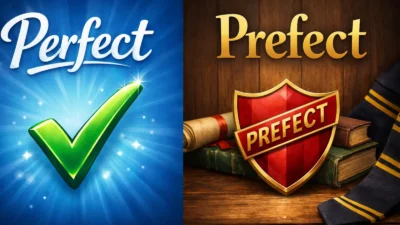
Perfect or Prefect — Which Is Correct and How to Use Each (2026)
Many learners and even native speakers pause at the pair perfect vs. prefect. It’s easy to assume they mean the same thing because they look…
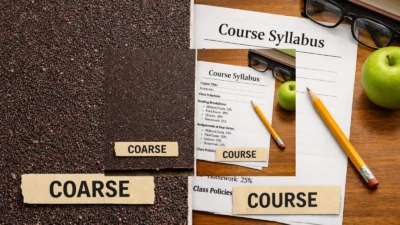
Coarse or Course — Which Is Correct and How to Use Them
Coarse and course sound exactly alike, so writers often mix them up. However, these two words have different meanings and grammatical roles.…
Referred or Refered: Which Spelling Is Correct and Why It Matters
Everyone who writes in English eventually faces a simple spelling question: Is it “referred” or “refered”? The answer matters because even a…
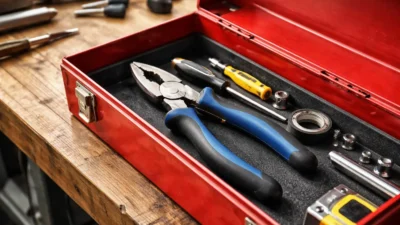
Plyers or Pliers — Which Is Correct?
Many writers, students, DIY enthusiasts, and home repairers wonder whether the hand tool used to grip, bend, cut, or twist materials should be…

Customer or Client — Which Is Correct and When to Use Each
People often wonder whether customer or client is the right word when writing about someone who buys from or works with a business. On the…
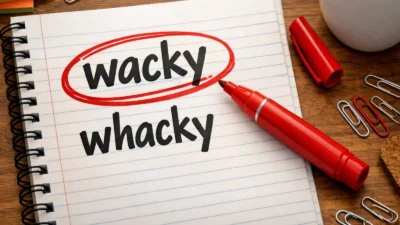
Wacky or Whacky: Which Spelling Is Correct?
If you’ve ever paused mid-sentence to ask, “Is it wacky or whacky?”, you’re not alone. Both spellings appear online, in blogs, product names,…

Nosey or Nosy — A Clear Guide to Correct Spelling and Usage
If you have ever paused while typing to wonder whether nosy or nosey is correct, you are not alone. Both spellings appear in English, and they…
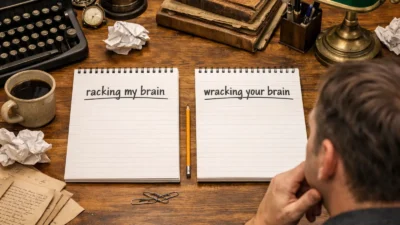
Wracking or Racking: Which Spelling Is Correct and When to Use Each (USA)
People often wonder whether to spell phrases like racking my brain with an initial r or with wr at the start. Both forms appear in writing,…
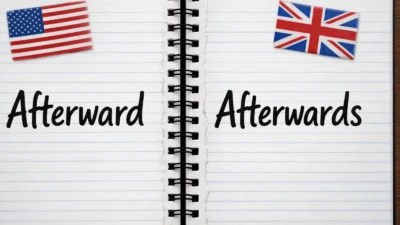
Afterward or Afterwards: Which Is Correct in US English?
“Afterward” and “afterwards” look almost identical. That extra s at the end causes plenty of confusion. You may see both forms in blog posts,…