
In everyday American English, few word pairs create more quiet confusion than “breath” and “breathe.” You see them everywhere — in fitness apps, medical advice, novels, text messages, and work emails. Yet many native speakers still hesitate or make mistakes when choosing between them.
The mix-up happens because the words look almost identical and share the same basic idea of air moving in and out of the lungs. This guide cuts through the confusion with straightforward explanations tailored for US English users. You will learn exactly when to use each word, why the difference matters, and how to avoid common errors that can make writing look unpolished.
Whether you are a student writing essays, a professional drafting reports, a content creator, or simply someone who wants to communicate more clearly, understanding “breath” versus “breathe” strengthens your command of American English. The distinction is not complicated once you see the pattern, and mastering it brings noticeable confidence to your daily communication.
Quick Answer
Breath is a noun. It names the air you inhale and exhale or the process of a single act of breathing. Breathe is a verb. It describes the action of taking air into and out of your lungs.
The easiest way to remember: “Breath” (shorter, ends with “th”) is the thing itself. “Breathe” (longer, ends with “e”) is the action, similar to how “belief” is a noun and “believe” is a verb. If you need a person, place, thing, or idea, use “breath.” If you need an action word, use “breathe.”
Why People Confuse Them
English contains many noun-verb pairs that are close in spelling and meaning: advice/advise, device/devise, house (noun) and house (verb). “Breath” and “breathe” fit this common pattern, which makes them easy to mix up, especially when typing quickly.
Autocorrect often fails here because both words are valid English terms. Fast typing on phones or computers leads to “I need to catch my breathe” instead of the correct form. Pronunciation adds another layer of difficulty for some speakers. The short “e” sound in “breath” (rhymes with “death”) feels different from the long “ee” sound in “breathe” (rhymes with “seethe”). Non-native speakers and even some native ones sometimes pronounce them too similarly, leading to spelling mistakes in writing.
Social media, texting, and casual writing have increased these errors. People see phrases like “just breathe” in motivational posts and later write “take a deep breathe” without noticing the shift from verb to noun. In professional settings, such as healthcare, education, or customer service, these small mistakes can reduce credibility.
Key Differences At A Glance
| Context | Best Choice | Why |
|---|---|---|
| Naming the air you take in/out | Breath | Functions as a noun |
| Describing the action | Breathe | Functions as a verb |
| Medical or physical description | Breath | Refers to the thing (e.g., shortness of breath) |
| Fitness or relaxation instructions | Breathe | Shows the action (e.g., breathe deeply) |
| Idiomatic expressions | Usually Breath | Most common idioms use the noun form |
| Creative or figurative writing | Either, depending on action vs thing | Depends on whether you describe doing or the result |
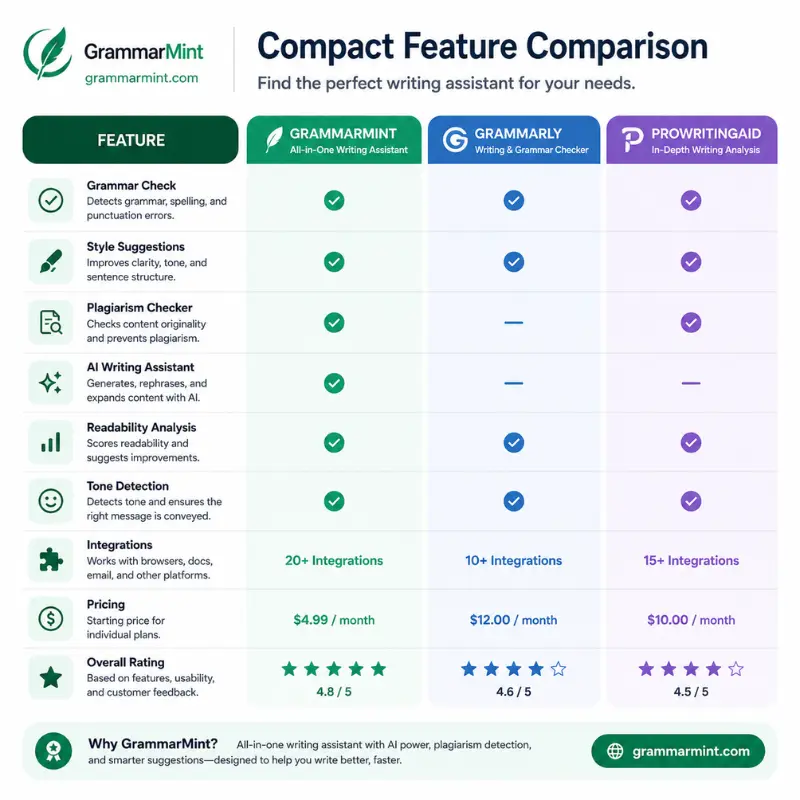
Compact Feature Comparison:
- Breath: Noun only — can be singular, plural (breaths), countable or uncountable.
- Breathe: Verb only — has different tenses (breathe, breathes, breathed, breathing).
- Shared root: Both relate to respiration, but never interchangeable in the same sentence position.
Meaning and Usage Difference
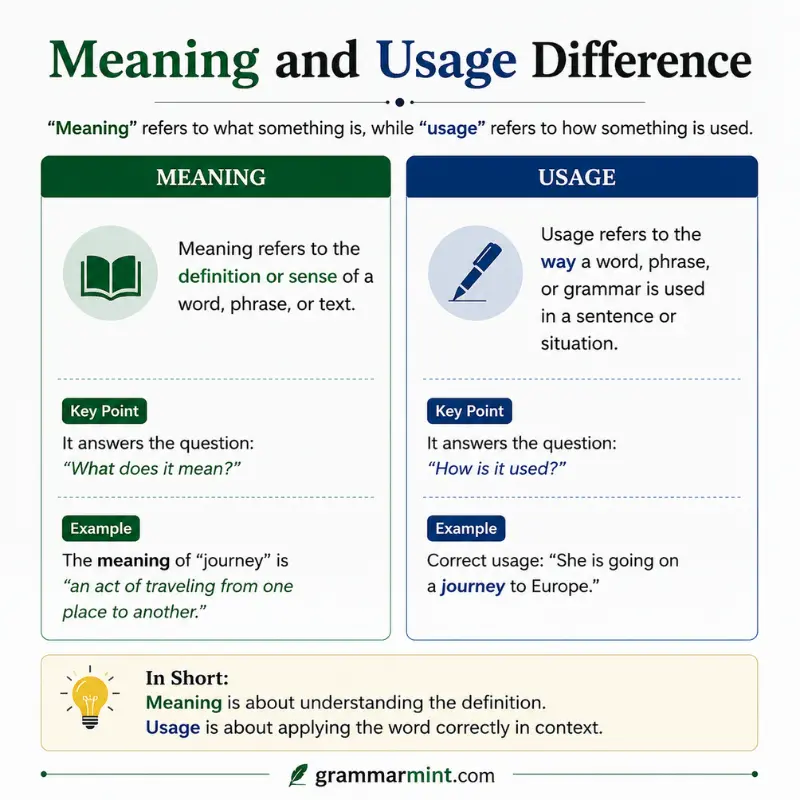
Breath (noun) points to something concrete or abstract connected to respiration. It can mean:
- The actual air moving through your nose or mouth.
- A single cycle of inhaling and exhaling.
- A very short period of time, as in “in a breath.”
- A slight trace or suggestion, like “a breath of suspicion.”
- A moment of rest or pause.
Breathe (verb) always shows action. Its core meanings include:
- To inhale and exhale air.
- To stay alive (figuratively, “still breathing”).
- To let fresh air pass through something, like letting wine “breathe.”
- To whisper or say something very quietly.
- To feel relieved (“I can breathe again”).
In American usage, “breath” often appears in physical descriptions: doctors ask about your breath, athletes talk about being out of breath, and people mention bad breath. “Breathe” appears in instructions: meditation guides tell you to breathe, coaches say breathe through your nose, and parents tell kids to breathe slowly when upset.
Pronunciation reinforces the difference. Say “breath” with a short, crisp “e” sound and softer “th.” “Breathe” stretches into a longer “ee” sound with a voiced “th.” This audible difference helps many people remember the extra “e” at the end of the verb.
Tone, Context, and Formality
Both words maintain a neutral, everyday tone in US English. Neither feels particularly formal or informal on its own. Context determines the feel.
In wellness and fitness culture, which is huge across America, “breathe” appears frequently in yoga classes, therapy sessions, and mindfulness apps. It carries a calm, empowering tone: “Breathe through the discomfort.”
“Breath” often appears in more observational or medical contexts: “The patient’s breath was shallow.” This gives it a slightly more clinical or descriptive tone. In creative writing, “breath” can feel poetic (“her breath caught in her throat”), while “breathe” feels more dynamic (“he struggled to breathe”).
Formality levels are similar. You can comfortably use both in business emails, academic papers, news articles, and casual conversations. Neither word has strong regional differences within the United States.
Many writers also confuse similar spelling pairs like and even more tricky ones such as discrete vs discreet — where one means “separate/distinct” and the other means “careful or subtle.”
Which One Should You Use?
Choose based on grammar function first:
- Need a noun (subject or object of the sentence)? → Use breath.
- Need a verb (action)? → Use breathe.
Test by replacing the word. If you can substitute “inhalation” or “air,” you probably need “breath.” If you can substitute “respire” or “inhale,” you need “breathe.”
In most situations, the choice becomes automatic once you practice. Read your sentence aloud. If it sounds natural when you say “the breath” or “a breath,” that’s your cue. If it sounds like you’re describing doing something, “breathe” fits.
When One Choice Sounds Wrong
Certain combinations immediately sound incorrect to American ears:
- “Take a deep breathe” — Wrong. The phrase requires a noun.
- “I can’t breath” — Wrong. Missing the action verb form.
- “Her breathe was heavy” — Wrong. Needs the noun.
- “Just breath in” — Wrong. Should be the verb “breathe.”
- “He held his breathe” — Common error that disrupts flow.
These mistakes break the natural rhythm of English. Native speakers may not always notice the rule consciously, but they feel something is off when the wrong form appears.
If you often mix up spelling-related word pairs, don’t miss our guide on Loose or Lose — it clearly explains the difference with simple examples, common mistakes, and easy memory tricks.
Common Mistakes (and Quick Fixes)
Here are the most frequent errors seen in American writing:
- Extra “e” on the noun Wrong: “Hold your breathe.” Fix: “Hold your breath.” Quick check: Would you say “hold your air”? Yes — so use the noun.
- Missing “e” on the verb Wrong: “Try to breath slowly.” Fix: “Try to breathe slowly.” Quick check: Would you say “try to respire”? Yes — so use the verb.
- Wrong tense forms Wrong: “She breath deeply yesterday.” Fix: “She breathed deeply yesterday.”
- Confusing with similar words Some writers mix these with “breadth” (meaning width). Always double-check.
- Plural confusion Wrong: “Multiple breathe exercises.” Fix: “Multiple breathing exercises” or “Take several deep breaths.”
Practice by writing ten sentences using each word correctly. Review them the next day.
Everyday Examples
Here are realistic examples from typical American life:
- After climbing the stairs at her office building in Chicago, Maria stopped to catch her breath.
- The meditation app reminded users: “Breathe in for four counts, hold for four, and breathe out for six.”
- In the cold Minnesota winter, you could see his breath hanging in the air.
- “Don’t breathe a word about the surprise party,” Jake whispered to his brother.
- During the job interview in New York, she took a deep breath before answering the tough question.
- The hiker could barely breathe at the high altitude in Colorado.
- Let the California Cabernet breathe for twenty minutes to open up its flavors.
- There wasn’t a breath of wind on the lake during their fishing trip in Michigan.
- The doctor asked about any shortness of breath during the check-up.
- “I can finally breathe now that the deadline is over,” she said with relief.
These examples show how both words appear naturally across different regions and situations in the United States.
Dictionary-Style Word Details
Verb
- Breath: Not used as a verb in standard US English.
- Breathe: Regular verb meaning to inhale and exhale. Present: breathe/breathes. Past: breathed. Present participle: breathing. Example: “The runners breathe heavily after finishing the race.”
Noun
- Breath: Standard noun. Singular: breath. Plural: breaths. Can be countable (“several breaths”) or uncountable (“bad breath”).
- Breathe: Not used as a noun.
Synonyms
- Breath: Closest plain alternatives include inhalation, exhalation, gasp, puff, or whisper (in certain contexts).
- Breathe: Closest plain alternatives include respire, inhale, exhale, or live (figurative). Antonyms are context-dependent: for breath — “breathlessness”; for breathe — “suffocate” or “hold” (as in hold breath).
Example Sentences
- The singer took a quick breath between verses of the national anthem.
- During panic attacks, it helps to breathe into a paper bag.
- One breath of mountain air felt incredibly refreshing after city life.
- Please breathe through your nose during the exercise.
- His breath smelled like mint after chewing gum.
- She struggled to breathe in the smoky room.
- There was not a breath of fresh air in the crowded subway car.
- The coach told the team to breathe and stay focused.
Word History Both “breath” and “breathe” developed from the same ancient Germanic roots connected to concepts of air, life, and spirit. They separated into distinct noun and verb forms in English over time. Modern American usage maintains a clear separation between the noun and verb roles.
Many English learners also confuse similar-sounding words in writing. If you’ve ever wondered about the correct usage of affend and offend, read this helpful guide: Affend or Offend
Phrases Containing
- Breath: Catch your breath, take a breath, out of breath, last breath, breath of fresh air, hold your breath, under your breath, waste of breath, short of breath.
- Breathe: Breathe easy, breathe new life into, breathe down someone’s neck, breathe a sigh of relief, breathe freely, hard to breathe.
FAQs
1. What is the main difference between breath and breathe? Breath is a noun. Breathe is a verb.
2. How do you pronounce breath and breathe? Breath: /breth/ (rhymes with death). Breathe: /breeth/ (rhymes with seethe).
3. Is “breathe” ever used as a noun? No, not in standard American English.
4. What is the correct past tense of breathe? Breathed.
5. Which is correct: “take a deep breath” or “take a deep breathe”? Always “take a deep breath.”
6. Can I use these words in formal writing? Yes, both are appropriate in formal American English when used correctly.
7. What does “let the wine breathe” mean? It means allowing the wine to be exposed to air to improve flavor — using the verb.
8. Is “breaths” the correct plural? Yes, for the noun “breath.”
Conclusion
The difference between “breath” and “breathe” comes down to a simple but important grammatical line: noun versus verb. “Breath” names the thing. “Breathe” performs the action.
By focusing on sentence function rather than similar appearance, you can choose correctly every time. Practice reading examples aloud, write your own sentences, and review your texts for these words. Over time, the choice becomes automatic.
Clear writing builds confidence and respect in both personal and professional American settings. Small improvements like mastering “breath” and “breathe” add up to stronger communication skills. Keep practicing, and you will notice the difference in how your messages land with readers.